Top 10 Dogs with the Strongest Bite Force
If you have ever wondered how much damage a dog bite can really cause, you are not alone. Here in Texas, we see plenty of large and powerful breeds, and understanding bite force is more than fun trivia. It can play an important role in keeping your family safe. Some dogs can generate several times the pressure of a human bite, which can lead to serious injuries when something goes wrong.
In this guide, we break down the top 10 strongest dog bite force rankings, why these numbers matter, and what you should know if you or someone you love is ever injured.
What Makes a Dog’s Bite So Powerful?
A strong bite does not automatically mean a dog is aggressive. Many breeds with high PSI (pounds per square inch) were originally used to guard livestock, pull heavy loads, or hunt large animals. Those jobs required strength in both size and jaw power.
A dog’s muscle structure, skull shape, and breeding history all influence how strong its bite is. In Texas, where many families enjoy big yards, ranch land, and active outdoor lifestyles, it is helpful to know which breeds have more natural power. Training and socialization also make a big difference. A well-trained dog of any size is far less likely to bite, but if a bite does happen, PSI plays a major role in how severe the injury may be.
The Top 10 Strongest Dog Bite Forces
These rankings come from consistent averages across studies. This list is not here to label any breed as “dangerous.” It is simply meant to increase awareness and help prevent injuries.
1. Kangal (~743 PSI)
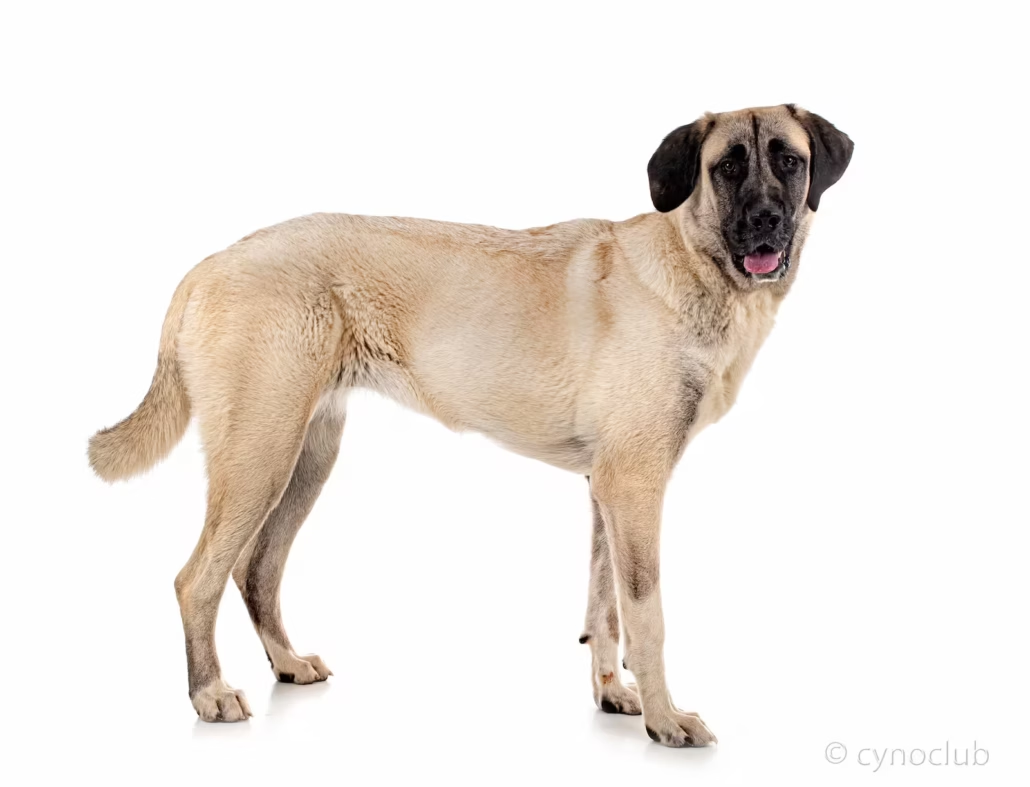
The Kangal is a livestock guardian from Turkey and can weigh up to 150 pounds. They hold the record for the strongest measured bite force. They are loyal and gentle with their families, but their protective instincts mean they need space, structure, and experienced handling. They are better suited for rural properties than city living.
2. Bandog (~730 PSI)
A cross between mastiffs and bulldogs, Bandogs are calm, steady, and extremely powerful. They thrive in active homes and do best with structured, consistent training, especially in busier areas.
3. Cane Corso (~700 PSI)
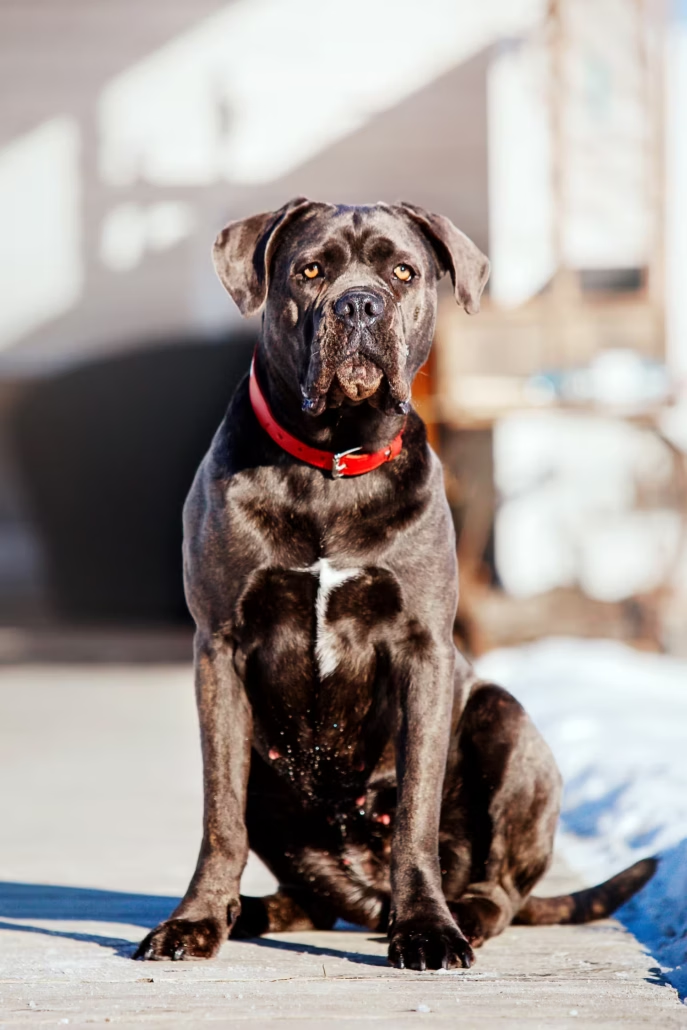
These Italian guardians are muscular, intelligent, and highly trainable. Their strength requires early socialization and confident leadership. Their bite force is sometimes compared to the impact of a professional boxer's punch.
4. English Mastiff (~556 PSI)
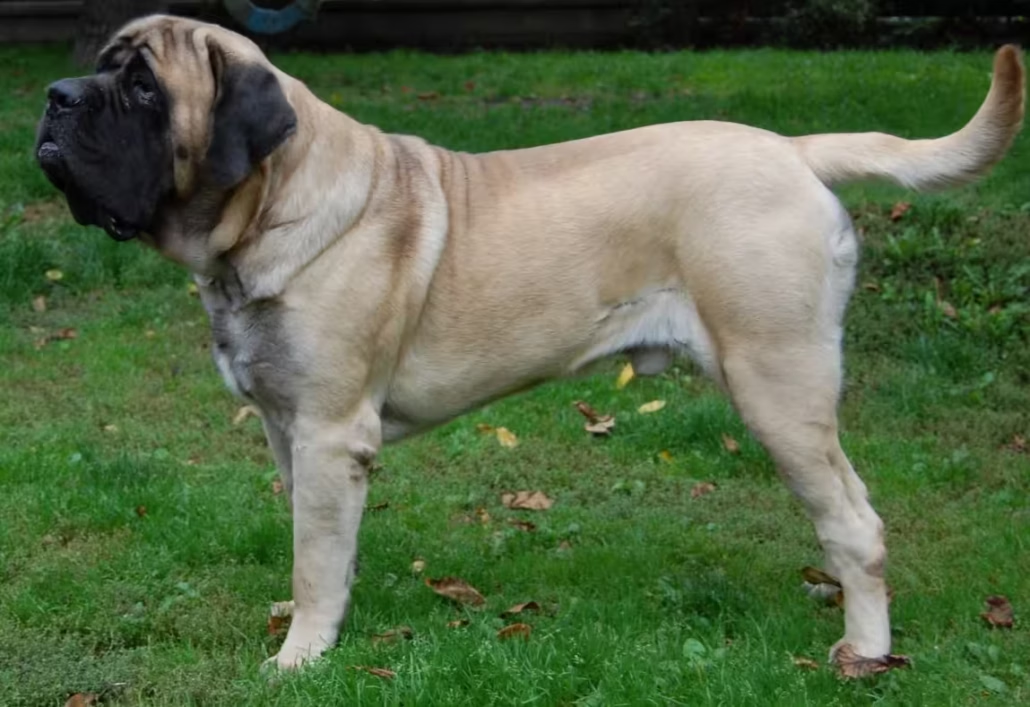
English Mastiffs are gentle giants that can reach 200 pounds or more. They are typically laid back and affectionate. Because of their size, they should always be supervised around children. In the Texas heat, they also need plenty of shade and water.
5. Tosa Inu (~556 PSI)
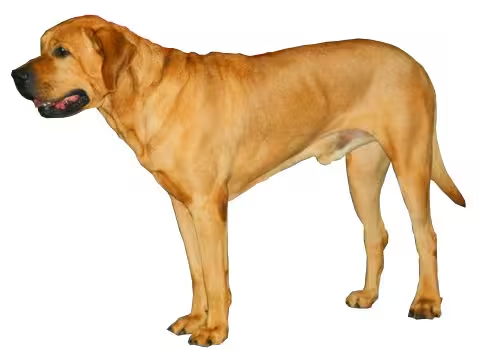
Originally bred in Japan, the Tosa Inu is a large and athletic dog known for its calm and dignified personality. They can be good family companions with proper training, but they need an experienced owner due to their strength and history.
6. Dogo Canario (~540 PSI)
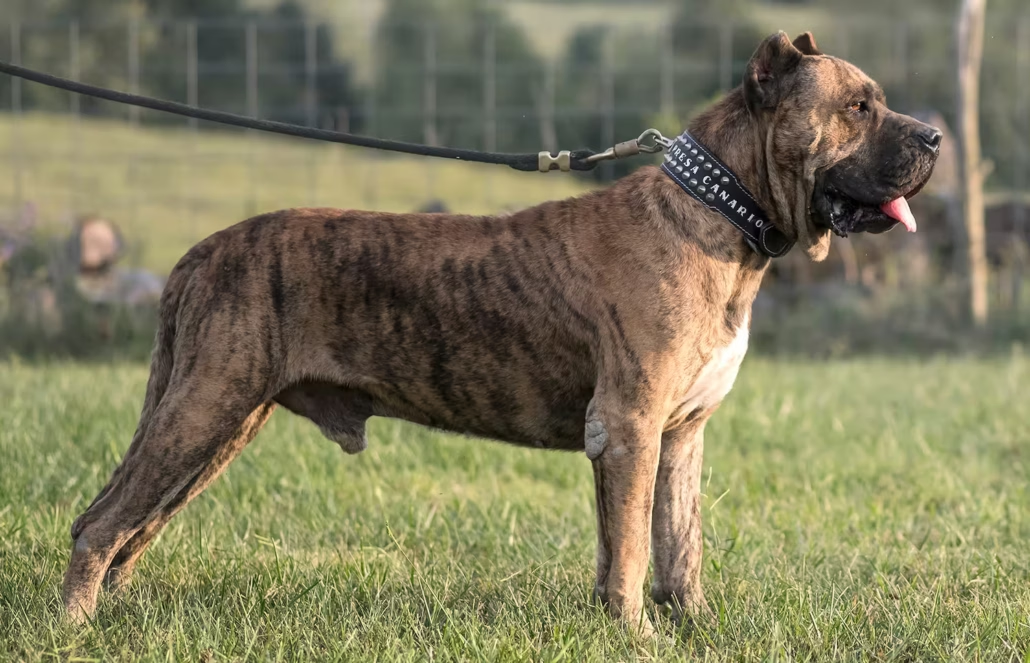
Also known as the Perro de Presa Canario, this Spanish breed is confident, protective, and powerful. They enjoy having a job to do and benefit from structured daily exercise and clear boundaries.
7. Dogo Argentino (~500 PSI)
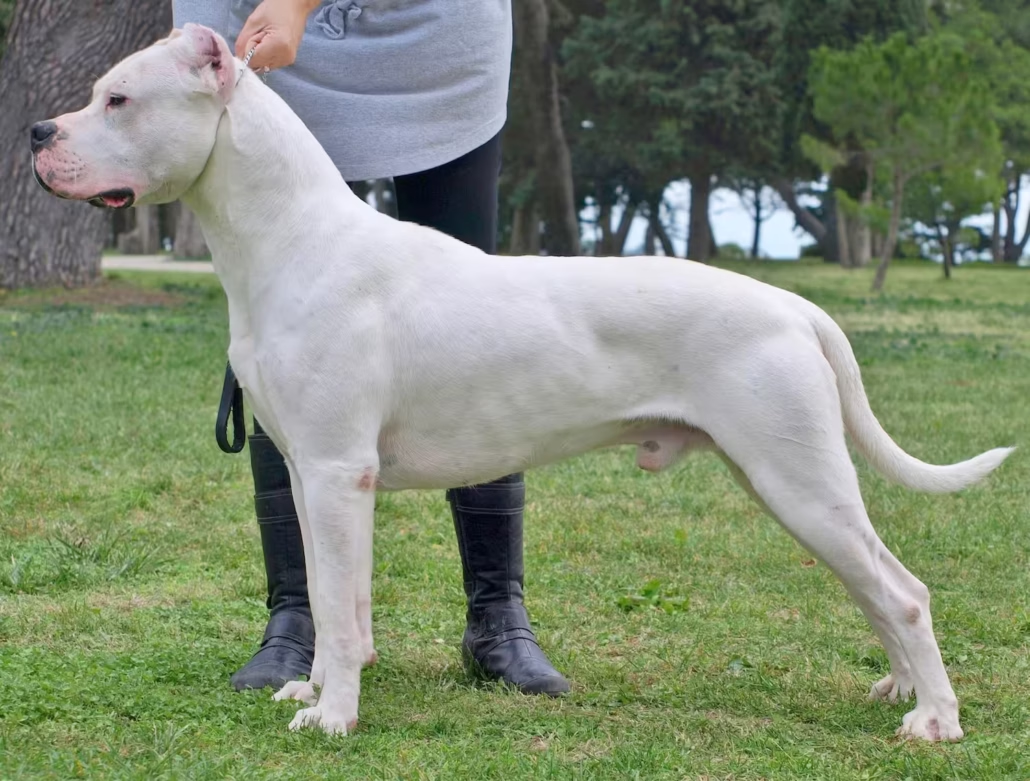
Bred for big-game hunting in Argentina, Dogo Argentinos are athletic, energetic, and very loyal. They bond closely with their families but need early socialization to manage their natural prey drive, especially in busy city environments.
8. Wolfdog Hybrid (~406 PSI)
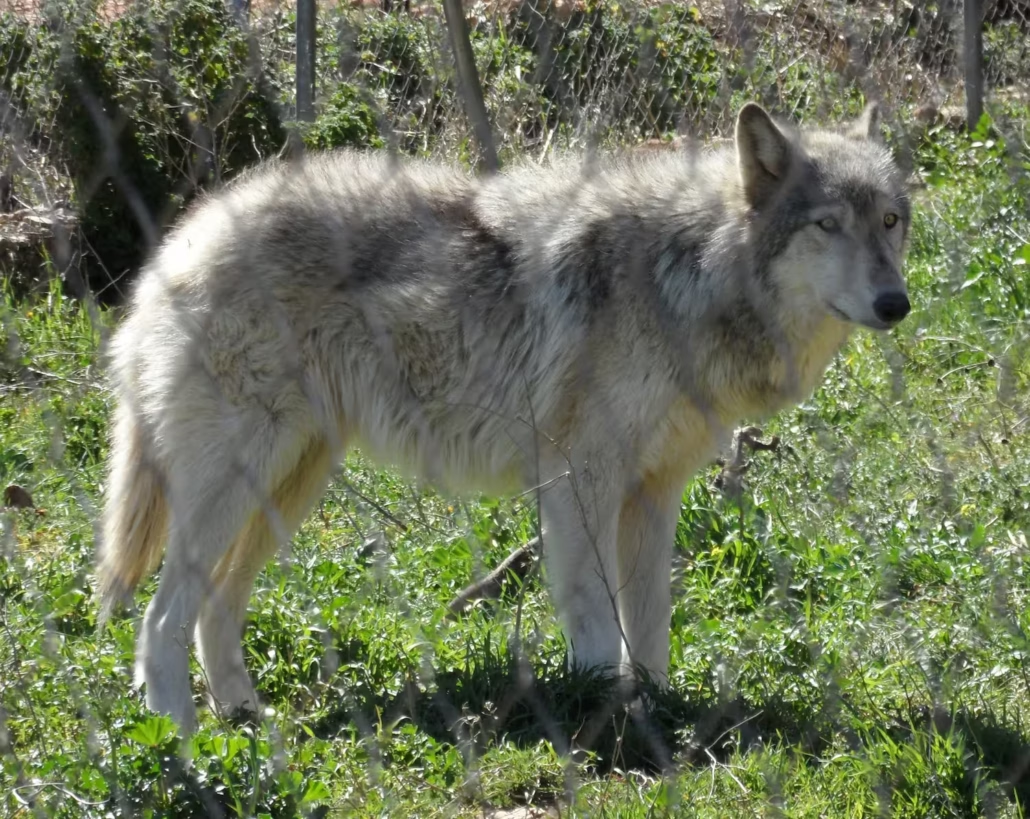
A mix between wolves and domestic dogs, these hybrids have strong prey instincts and a cautious temperament. They are not recommended for inexperienced owners and may be restricted in certain parts of Texas.
9. Rottweiler (~328 PSI)
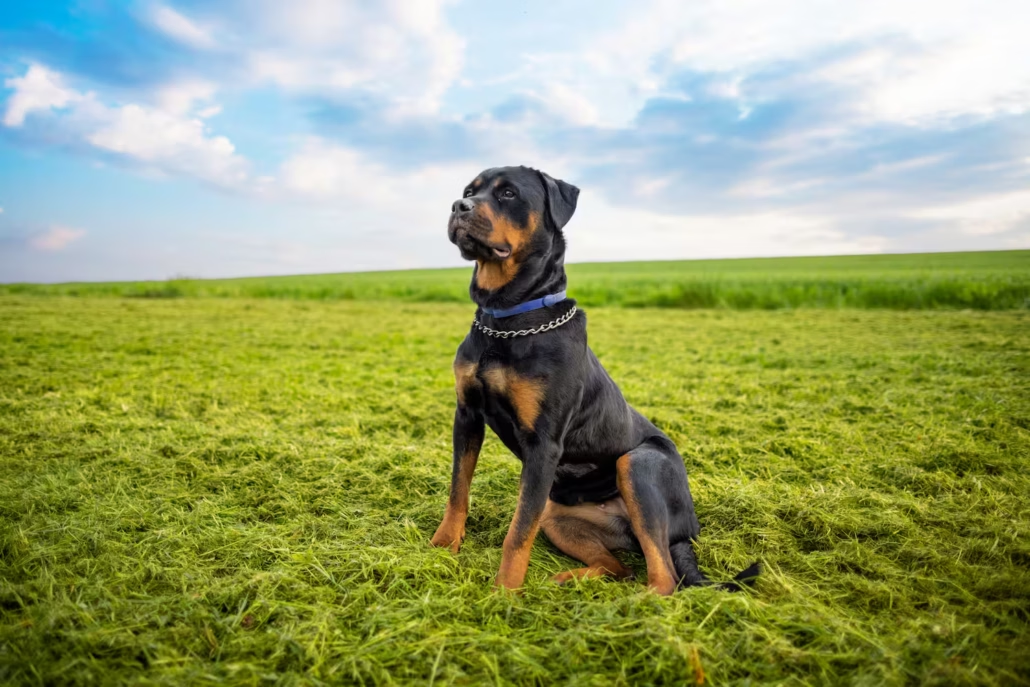
Rottweilers are popular working dogs known for their loyalty, intelligence, and strength. With the right training, they are excellent family protectors, but they need consistent guidance and socialization.
10. American Bulldog (~305 PSI)
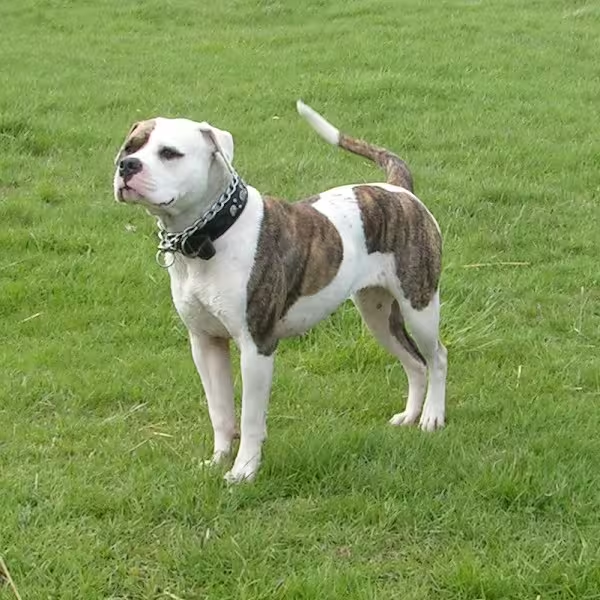
American Bulldogs are athletic, protective, and historically used for farm work. They are affectionate with their families but can react strongly if provoked, which makes proper training and supervision important.
While bite force is one factor, a dog’s behavior is shaped far more by training, environment, and the way it is handled.
Staying Safe Around Strong-Jawed Dogs in San Antonio
Many dog-related incidents happen because of poor supervision or a sudden misunderstanding between people and pets. A few simple steps can help reduce the risk:
- Always ask a dog’s owner before approaching or petting their dog.
- Teach children not to pull on dogs, roughhouse, or surprise them.
- Enroll powerful or energetic breeds in obedience classes. The San Antonio Humane Society offers helpful programs.
- Use a leash in public places. It protects both your dog and others around you.
A little awareness can go a long way in a community that loves its pets as much as San Antonio does.
What If a Bite Happens? Legal Insights for Texans
Dog bites can lead to serious injuries, including puncture wounds, broken bones, infections, nerve damage, and long-term scarring. Medical bills, time away from work, and emotional distress can make the situation even more overwhelming.
Texas uses the “one bite rule,” which means a dog owner may not be automatically held responsible if the dog has never shown signs of aggression. However, the owner can still be liable if they were careless. Examples include ignoring leash laws, failing to restrain the dog, or not warning others about known behavioral issues.
If you have been bitten by a dog, take these steps:
- Seek medical attention right away
- Take photos of your injuries
- Identify any witnesses
- Write down what happened as soon as possible
- Save all medical records and communications
After that, reach out for legal guidance. I can walk you through your rights, explain your options, and help you pursue compensation if negligence was involved. You will not pay anything upfront. We only get paid if we win your case, so you can focus on healing while we handle the rest.